 Marine Planktonic Copepods
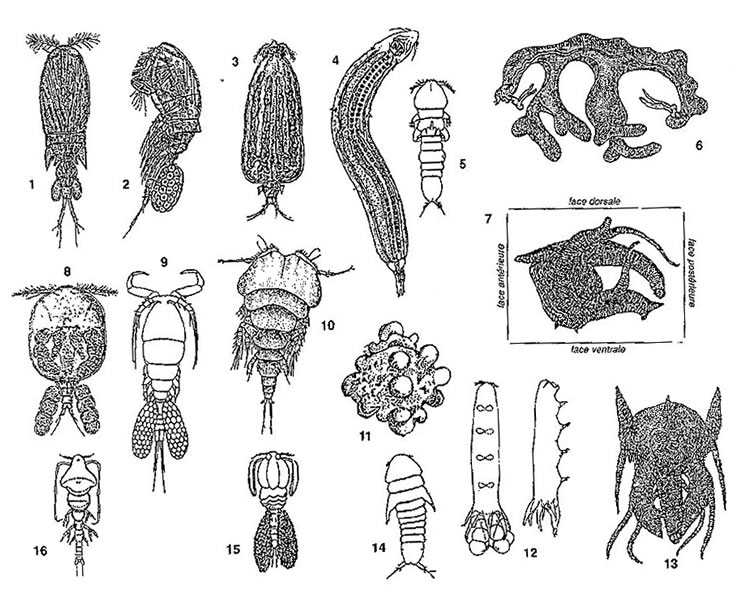
Fig. G21: Poecilostomatoida (a few examples).
1: Corycaeus anglicus (female: dorsal view) (after Sars, 1918). [free-living, pelagic].
2: Oncaea borealis (female: lateral view) (after Sars, 1918). [free-living, pelagic].
3: Anomopsyllus pranizoides (female) (after Sars, 1921).
4 and 5: Lernaeascus nematoxys (4: male: dorsal view, 5: female: ventral view) (after Delamare-Deboutteville). [inside the scales of Monochirus, where the female digs galleries].
6: Cucumaricola notabilis (female: left lateral view) (after Paterson, 1958). [in the coelom of holothurians].
7: Amphiurophilus amphiurae (female: left lateral view) (after Goudey-Perrière, 1979).
8: Eunicicola clausi (female: dorsal view) (after Sars, 1918). [parasite of a polychaete annelid].
9: Ergasilus megaceros (female) (after Yamaguti, 1963).
10: Bomolochus bellones (female: dorsal view) (after Kabata, 1979).
11 and 14: Ichthyotaces pteroisicola (11: female, 14: male, dorsal views) (after Delamare-Deboutteville, 1962). [in the subcutaneous tissue of Pterois lunulata, forming a gall].
12: Xarifia diminuta (female: dorsolateral view) (after Humes and Ho, 1967). [associated with scleractinian corals (Madreporaria)].
13: Amphiurophilus hendleri (female: ventral view) (after Goudey-Perrière, 1979). [in the genital bursae of a brittle star].
15: Megabrachinus suboculatus (female) (after Yamaguti, 1963).
16: Macrobrachinus punctatus (female) (after Yamaguti, 1963).