Planche 5 Issued from : Mulyadi in Crustaceana, 2014, 87 (14). [p.1628, Fig.4].
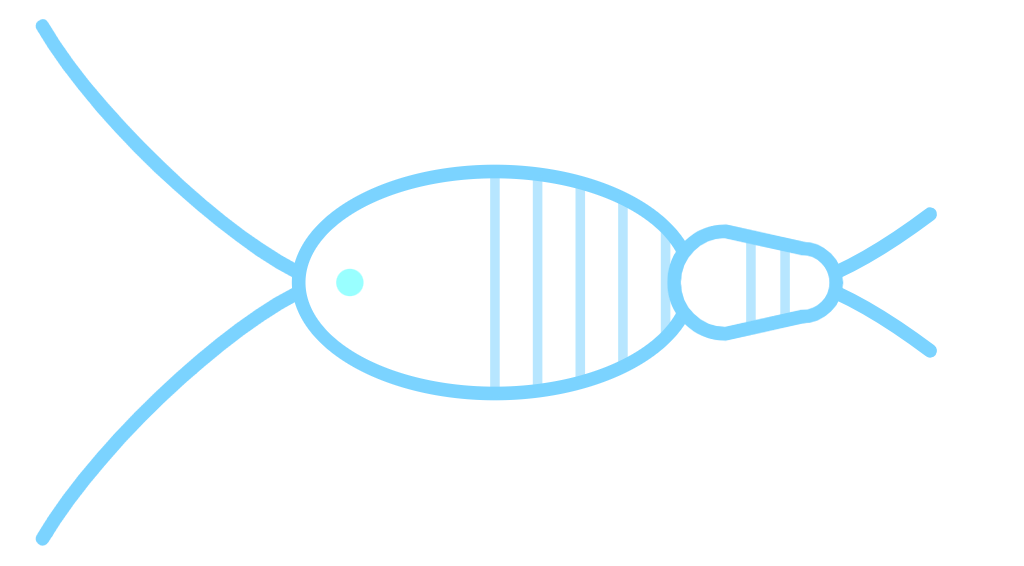
Male: a, habitus (dorsal); b, pedigerous somite 5 and urosome (dorsal); c, same (lateral); d, right A1; e, 17th to 22ndsegments of right A1; f, rostrum (frontal view); g, P5.
Nota:
- Rostrum bifid, uniformly tapered and widely separated proximally (distance between 0.65 times as long as ramus)
- Posterior corners of pedigerous somite 5 produced into symmetrical acuminate processes in dorsal view, tapering to a simple abbreviated pointed process on each lateral corner, and reaching distal end of genital somite.
- Urosome of 5 somites, proportional lengths of urosomites 26 : 35 : 23 : 9 : 7 = 100.
- Genital somite widest, asymmetrical, left side slightly expanded; 2nd urosomite slightly asymmetrical, right side longer than left; urosomite 3 1/36 times as long as urosomite 4 and 5 combined.
- Anal somite shorter than urosomite 4.
- Caudal rami about 1.7 times as long as wide, about same in length with urosoite 3, 4 and 5 combined, right ramus slightly broader than right one ; each ramus with 5 plumose and 1 small setae.
- Right A1 geniculate; relative length of 3 terminal free segments 46: 27 : 27; segment 17 about 0.6 times as long as segment 18, anterior margin from proximal to distal 1/3 bearing a ridge of about 13 developed denticles and 1 seta and 1 aesthetasc distally; segment 18 about 3.9 times as long as wide, anterior margin with a ridge of about 50 denticles of varying shapes and sizes, spanning lengthwise from proximal end to about 1/5th segment's length from distal end, of which the 10yj denticle is very big and stouter than others; Fused segments 19-21 about 5.1 times as long as wide, anterior margin with a ridge of 78-80 weakly developed denticles spanning lengthwise beginning 1/5 segment's length from its proximal end and extending to distal end; segment 22 prolonged distally into spur-like process and extending to distal end of segment 23. Left A1 as in female.
P5 uniramous, asymmetrical: right leg 4-segmented, coxa exceedingly short, basis more than twice length of coxa, with 1 plumose seta on posterior surface; chela elongated and sub-cylindrical with convex inner margin, 3.8 times as long as maximum width (except thumb), thumb at proximal end terminating into short processes, outer surface of chela between thumb and distal end of finger with an anvil-shaped lamella and a cylindrical lamella just distal to anvil-shaped lamella near base of thumb; exopodal segment 2 (finger) elongated, cylindrical, medially curved outwardly and terminating into 1 round-tipped spine and 1 spine-like seta, furnished with 2 setae on concave surface near the area where the main curvature occurs. Left leg with coxa very short, basis more than 3 times as long as coxa, bearing 1 plumose seta on posterior surface near base of the segment; exopodal segment 1 small and short, about half length of basis; exopodal segment 2 slightly longer than exopodal segment 1, bulb-shaped with 1 medial round-tipped small spine on outer margin, distal end with 1 short spine and 2 round-tipped spines, these spine shorter than their own segment, inner margin hirsure.





;)
;)
;)
;)
;)
;)


