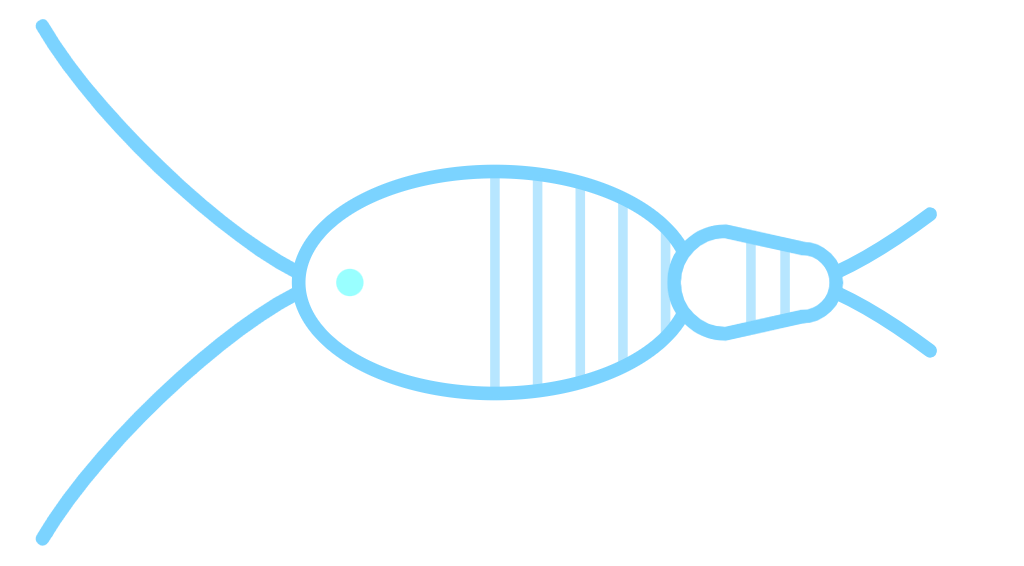



General Features of the External Morphology of Marine Planktonic Copepods
Parthenogenesis
Some cases of parthenogenesis were formerly reported in Harpacticoida. Roy (1931), studying the freshwater harpacticoid Elaphoidella bidens, was able to obtain from a single egg five successive generations without males. Sarvala (1979) confirms this mode of reproduction in a lacustrine population of Canthocamptus staphylinus, which is otherwise bisexual.
It seems possible that parthenogenesis also exists in certain bathypelagic calanoids, as in the family Scolecitrichidae (M+F = 78; females alone known: 88; males alone known: 18), in which males are rare and in which no spermatophore is reported on females. However, the study of the sex ratio in pelagic copepods does not appear to support this reproductive mechanism, which remains yet to be demonstrated.